How Much Does It Cost to See Sumo in Osaka? Full Price Guide
How much does sumo in Osaka cost? In short: $60 to $113 per person for a year-round show or stable visit, and from about $23 to roughly $100 per person for a seat at the March Grand Sumo Tournament, as of August 2026. The number that actually matters is the one for what you are booking: a tourist show, or a real tournament seat. Below is every real price broken out by tier, what each one includes, and the extra costs that catch first-time visitors off guard.
Quick answer
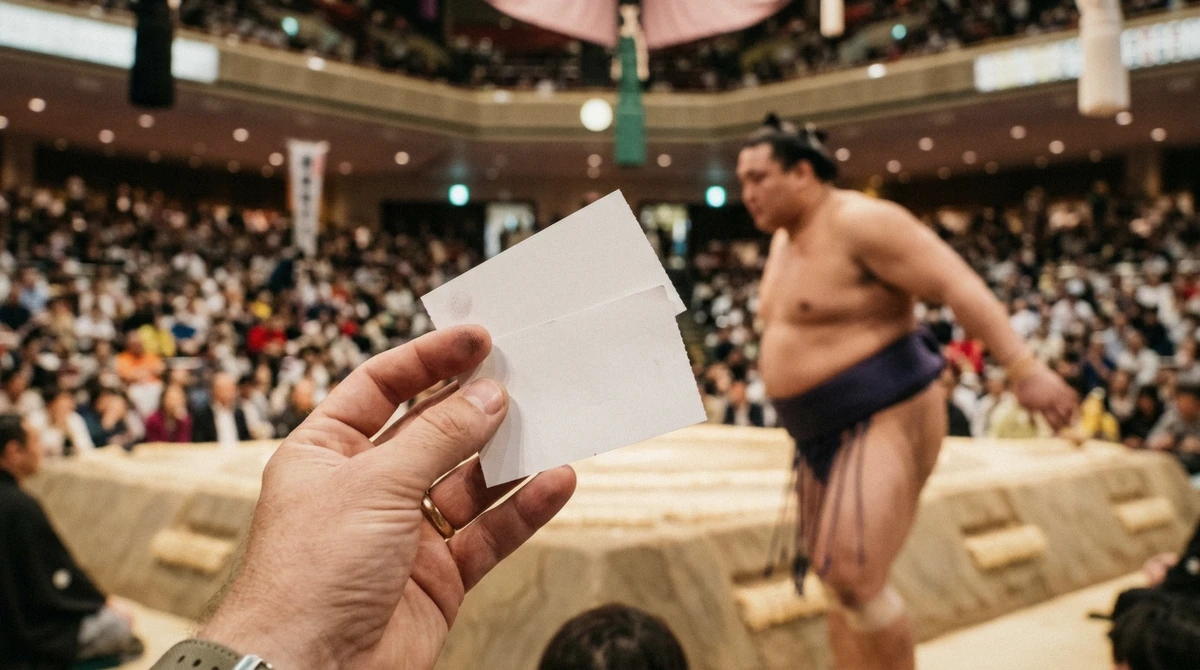
Sumo shows in Osaka run $60 to $113 per person as of August 2026, and the most typical price a first-timer pays is $60 to $68. March tournament seats run separately, from about ¥3,500 (around $23) for an arena chair to ¥15,000 (around $100) for a weekend box.
Key takeaways
- Show prices range $60 to $113 per person, all year-round and bookable any month
- The $91 HIRAKUZA show includes a bento or snack and a drink; the $60-$68 shows include the ring challenge instead
- The extra cost people forget: tips are not customary in Japan and are not expected at any show or the tournament
- The cheapest genuine way in: the $60 live show with audience challenge, tied for the lowest price with the sports-bar version
- Best value for the money is the $68 chanko hot pot show, which bundles a full meal into the ticket
- March tournament arena chairs start around ¥3,500 (about $23), far below any of the tourist shows
The Full Price Table
Last verified: August 2026. All show prices are in US dollars as scraped from current listings; tournament prices are in Japanese yen with a rough dollar conversion at the August 2026 rate, since March tournament tickets are sold in yen only.
| Experience | Price (USD) | Duration | What's included |
|---|---|---|---|
| Live Show & Audience Challenge | $60 | 1.5 hours | Show, English MC, ring challenge, skip-the-queue entry |
| Sacred Ring Show | $65 | 1.5 hours | Show on a pro-grade dohyo, mawashi worn on the ring, free gift |
| Show, Try Sumo & Chanko Hot Pot | $68 | 1.5–4 hours | Show, ring training, optional chanko nabe or wagyu meal |
| Sumo Hall Hirakuza (Bento or Snack) | $91 | 1 hour | Produced show, bento or snack, drink, commemorative photo |
| Sports Bar Live Match | $60 | 1.5 hours | Casual show, ring challenge, English MC |
| Stable Morning Practice (asageiko) | $113 | 2 hours | Unstaged real training, small group, free photos |
Every price above is per person and reflects the going rate as of August 2026; the live price on the booking page always governs, this table is a snapshot rather than a live feed.
Sample budgets
Three real scenarios worked out at these prices:
- Solo traveler: one $60 show, no meal add-on. Total: $60
- Couple: the $68 chanko hot pot show for two, meal included in the ticket. Total: $136
- Family of four (two adults, two kids at typical reduced pricing on the family-friendly show): roughly $68 + $68 + $40 + $40. Total: around $216
What Each Price Actually Includes
The table above gives the short version; here is what the money actually buys at each tier, so you are not comparing a $60 ticket to a $91 ticket as if they were the same product with a different sticker.
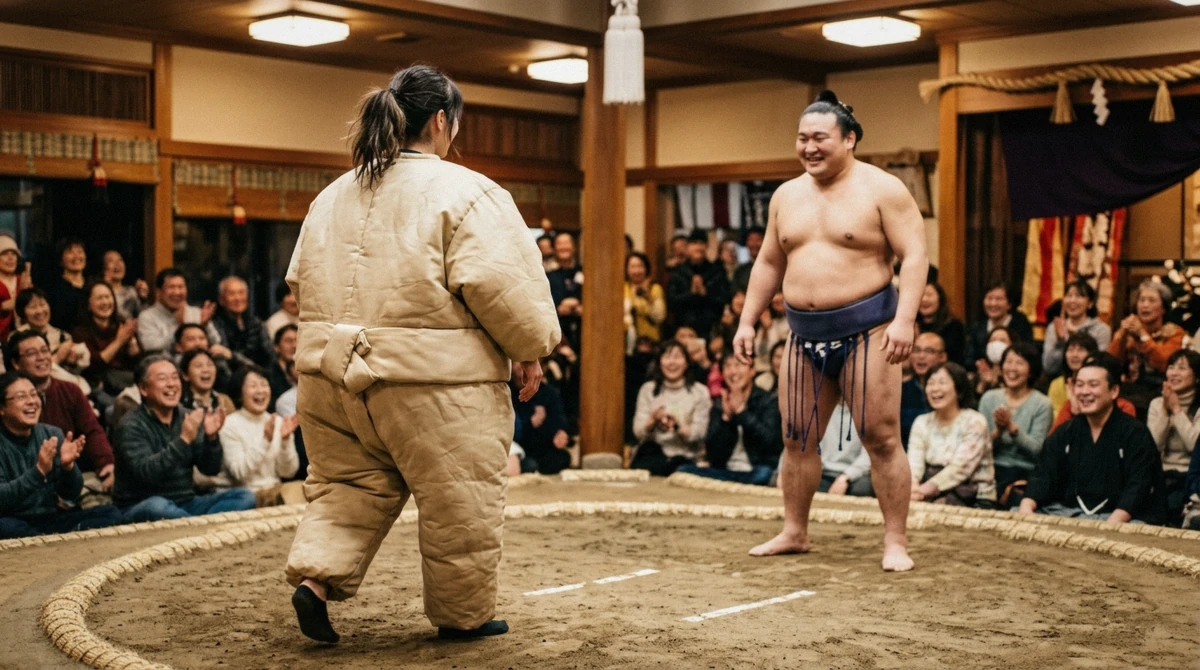
- $60 shows (live show, sports bar): entry, an English-hosted MC, the full ritual sequence, the ring challenge if you want to volunteer, and a post-show photo. No meal, no seat upgrade options
- $65 sacred ring show: the same core show plus a longer, history-focused commentary track and a small free gift, still no meal included
- $68 chanko hot pot show: everything in the $60 tier plus hands-on ring training beyond the standard challenge, and the option to add a full chanko nabe or wagyu sukiyaki meal, which is what pushes the price above the $60 floor
- $91 HIRAKUZA show: a bento box or snack, a drink, tiered standard or premium seating with better sightlines to the elevated ring, sound and lighting production, and the commemorative photo, but no ring challenge and a shorter runtime
- $113 stable visit: this is not a show at all, so the price buys something structurally different, a small-group seat a few meters from a working sumo stable's morning practice, with free photos after but zero staging, MC or ritual demonstration built for an audience
That last point is worth underlining because it explains why the most expensive option on the list is not simply the most polished version of the cheapest one. The $60 to $91 shows are all staged productions of varying size and budget. The $113 visit is not staged at all, and its price reflects rarity and access rather than production value.
Tournament Ticket Bands (March Only)
The March Grand Sumo Tournament is priced entirely separately from the shows above, in yen, through the official ticketing system. Full dates, venue and buying steps live on our March tournament tickets guide; here is just the price side.
| Seat class | Price (¥) | Approx. USD (Aug 2026 rate) | Notes |
|---|---|---|---|
| Masu S box (weekend) | ¥15,000 | ~$100 | Per person, floor box seating |
| Masu S box (weekday) | ¥14,000 | ~$93 | Per person, floor box seating |
| Masu A box (weekend) | ¥13,000 | ~$87 | Per person, floor box seating |
| Arena chair seats | from ¥3,500 | ~$23 | Upper-level fixed seating, cheapest reserved option |
A limited number of same-day unreserved seats also go on sale at the venue box office from 8:00 AM on tournament days, at a lower price than the reserved bands above, for travelers willing to queue rather than book ahead.
Because these tickets are sold in yen and dollar exchange rates move, treat the dollar figures in this table as directional rather than exact. The yen price is the one printed on the actual ticket and the one that matters at checkout; the dollar conversion here just helps a traveler budgeting in dollars get a realistic sense of scale before converting currency for the trip. Official ticketing runs through Ticket Oosumo, the Japan Sumo Association's own booking site with an English version, and the official JSA site is the authoritative source for the current tariff if this page and the checkout ever disagree.
Budget Picks vs Premium Picks
If price is the deciding factor, the $60 live show and the $60 sports-bar show are the two genuine budget floors, tied at the lowest price of any staged show, and both still include the ring challenge that pricier shows sometimes drop. Neither cuts a corner that matters to a first-time visitor. For a fuller look at whether the price is worth it at all, not just which tier to pick, see our honest breakdown of whether a sumo show is worth it.
- Budget: the $60 shows, full ring-challenge experience for the least money
- Mid-range: the $65-$68 shows, which add either deeper ritual commentary or a full chanko meal for a modest step up
- Premium: the $91 HIRAKUZA show, paying specifically for production values and a shorter, tighter hour
- Splurge past a show entirely: the $113 stable visit, for real unstaged training rather than a bigger stage
The trade-off at the top end is real: HIRAKUZA's $91 buys sound design, lighting and a bento, but drops the ring challenge and runs 30 to 60 minutes shorter than the $60-$68 shows. Whether that trade is worth it depends on whether you want to participate or watch. If watching sumo done as pure production is the point, it earns the price.
If getting into the ring yourself is the point, it does not.
A useful way to think about the jump from budget to premium: every $10 above the $60 floor buys one specific thing, not a general upgrade. The extra $5 to $8 on the mid-tier shows buys either deeper ritual commentary or a meal. The extra $23 to $31 on HIRAKUZA buys production values and a bento, not more time or more participation.
None of the tiers is objectively better, they are simply optimized for different priorities, so matching the tier to what you personally want out of the evening matters more than chasing the highest rating or the lowest price in isolation.
Hidden Costs to Budget For
The ticket price above covers the show or the tournament seat itself. A few real extras to plan around:
- Tips: not customary in Japan at all, for shows, restaurants or the tournament; do not budget for them
- Food beyond what's included: the $60 and $65 shows do not include a meal, so plan for dinner separately unless you book the $68 chanko show or the $91 bento show
- Transport: shows sit across central Osaka, all reachable by metro for a normal single-fare ticket; no show requires a taxi or private transfer
- Photos: the commemorative post-show photo is included at every venue, so there is no separate photo-package fee to plan for
- Tournament box seats: masu boxes are typically priced and sold per box, sat on a cushion on the floor, so check whether the quoted price is per person or per box for a given box size before assuming the per-person figure above applies
Fees and Service Charges
None of the shows charges a resort-style facility fee or a mandatory service charge on top of the listed price, which is a real relief compared to some tourist activities in Japan where the quoted price is only the starting point. What you see on the booking page for any experience here is, tips aside, close to the real total for one person. The tournament is the one place where the total can genuinely move: a masu box bought as a group, a same-day arena seat bought at the gate, and a pre-booked weekend box can each land at a meaningfully different per-person price for what is nominally the same afternoon of sumo, so it pays to decide which of those three paths fits your plans before you check the official site.
The real range to hold in your head: $60 to $68 for a standard show is the number most visitors actually pay, $91 buys a produced spectacle, $113 buys the unstaged real thing, and the March tournament, on the rare trip that lines up with it, starts far below any of them at around $23 for an arena chair. Whichever budget you land on, there is a real way to see sumo in Osaka at every price point.
What is the cheapest way to see sumo in Osaka?
The $60 live show with audience challenge or the $60 sports-bar show are the cheapest tourist shows, tied at the lowest price. The March tournament, when it overlaps with a trip, is cheaper still, from about ¥3,500 (~$23) for an arena chair.
Do sumo shows in Osaka include a meal in the price?
Only two do. The $68 chanko hot pot show includes a full hot pot or wagyu meal, and the $91 HIRAKUZA show includes a bento or snack with a drink. The other shows are ticket-only.
How much should I tip at a sumo show or the tournament?
Nothing. Tipping is not customary in Japan at any sumo venue, show or restaurant, so there is no percentage or dollar amount to budget for.
Is a masu box ticket for the March tournament priced per person or per box?
Prices are usually quoted per person but boxes are sold and seated as a unit on the floor, so confirm the per-box total for your group size on the official Ticket Oosumo site before assuming the per-person figure covers everyone separately.
Why is Sumo Hall Hirakuza more expensive than the other shows?
At $91 it is priced for production values, sound engineering, stage lighting and visual screens in a purpose-built hall, plus a bento or snack and drink, rather than for extra time or a ring challenge, which it does not include.
Are there kids' prices for sumo shows in Osaka?
Reduced children's pricing exists on the chanko hot pot show, which is built as the family-friendly option among the six experiences.