Is a Sumo Show in Osaka Worth It? An Honest Look
Is a sumo show in Osaka worth it? Yes, if you want to see real sumo technique performed up close by genuine former professionals and you are not in Osaka in March. No, if what you actually want is to watch two ranked wrestlers fight for a result that matters, because none of Osaka's year-round shows are that. Below is the honest breakdown: what the $60 to $113 shows actually put in front of you, what they leave out, and who should spend their evening somewhere else instead.
Quick answer
Worth it if you want authentic sumo technique, rituals and a ring challenge without waiting for March; skip it if you specifically want to watch a competitive bout with real stakes. Prices run $60 to $113 per person, and the $60 show with the audience challenge is the one most first-timers book.
Key takeaways
- Shows run $60 to $113 per person; the practice-visit alternative sits at the top of that range
- The single best reason to go: real former professionals, real technique, and most shows let you step into the ring yourself
- The honest downside: it is a choreographed demonstration, not a competitive match with a result
- Skip it only if a real bout is the whole point of your trip, in which case only the March tournament delivers that
- THE SUMO HALL HIRAKUZA is the most theatrical staging, and also the most expensive at $91; read the full Hirakuza review before booking it
- Shows run daily year-round, so there is no bad month to book one
The Honest Verdict: Entertainment, Not Competition
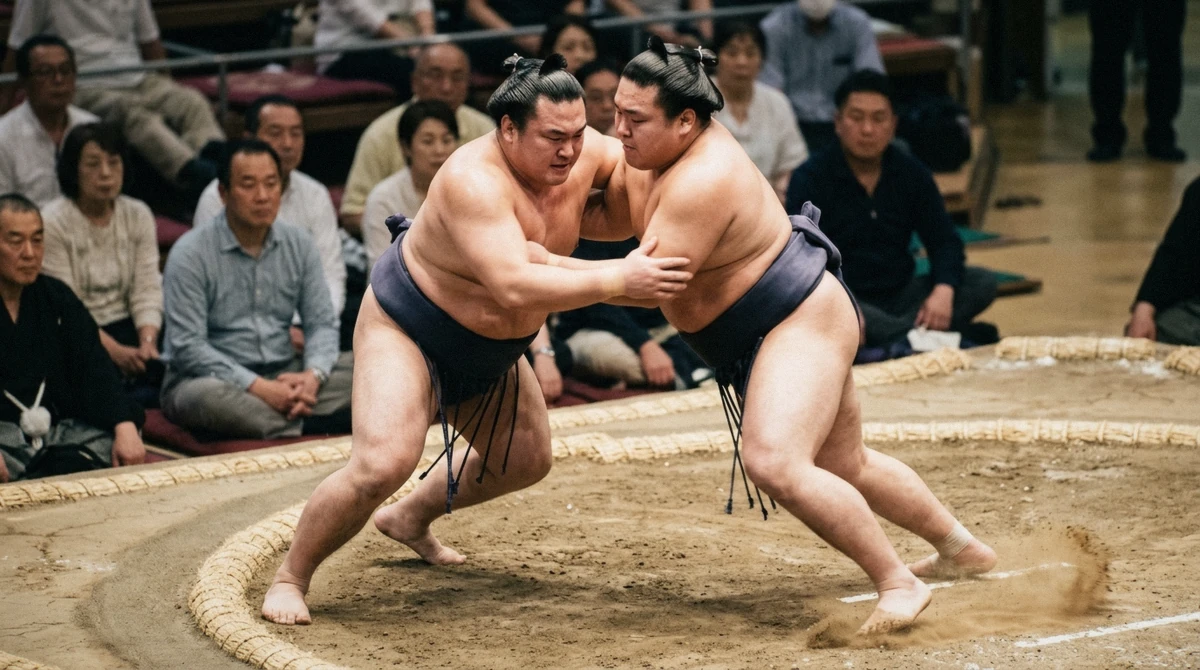
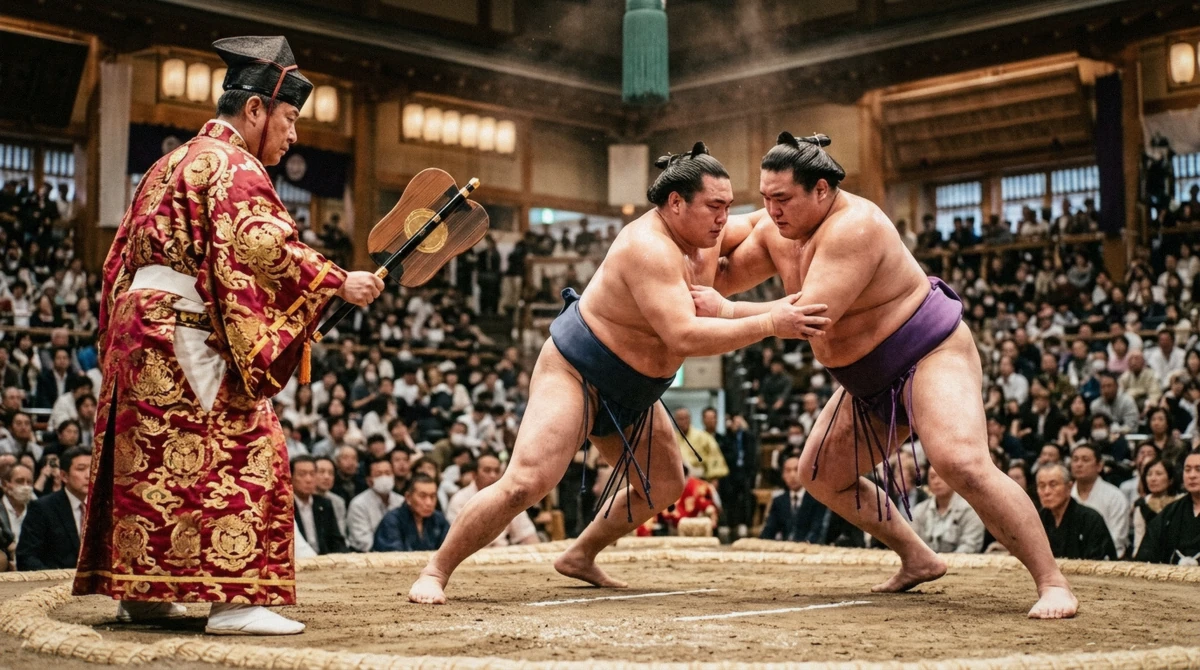
Every one of the year-round shows in Osaka is staffed by retired professional rikishi, and every one of them stages real sumo technique: the tachiai charge, the throws and pushes that make up kimarite, the salt-throwing purification ritual, the shiko leg stomps. What none of them stages is a competitive bout with something on the line. The wrestlers know the beats of the match before the audience sits down.
That is not a criticism of the format, it is a description of it, and it is the single fact that decides whether a show is worth your evening.
The visitor consensus across the shows we have watched lines up with that framing: people leave impressed by the physicality and the access, and disappointed only when they arrived expecting something the ticket never claimed to sell. The only place in Osaka where the outcome of a match is genuinely undecided is the March Grand Sumo Tournament, held about 15 days a year. Outside that window, a show or a stable visit is the honest way to see sumo in the city.
This distinction also explains the price gap between the shows and the practice-visit alternative. A show pays for staging, an MC, lighting and a guaranteed photo moment. The stable visit pays for none of that and instead buys you a seat a few meters from wrestlers who have no reason to perform for a camera, which is exactly why it costs more per person than any of the staged shows.
What You Actually Get: Rituals, the Ring Challenge & Photos
A typical evening runs the same broad shape across the shows, with real differences in polish and length. Doors open, the MC introduces the sport's basics in English, and the former wrestlers walk out to begin the ritual sequence: salt thrown into the ring for purification, the wide-legged shiko stomps that loosen the hips and announce readiness, and chiri-chozu, the clapping and hand-rinsing gesture that opens a bout. Then come the demonstration bouts themselves, the tachiai charge and the pushing, throwing and grappling that make up kimarite technique, called out by name as they happen so the audience can follow what just decided the exchange.
- The ring challenge: at most shows, an audience member puts on a mawashi and steps onto the dohyo to face a wrestler directly, usually picked by volunteer or lottery
- English commentary throughout, walking through sumo's history, ranking system and the meaning of each ritual as it happens
- A commemorative photo with the wrestlers after the show closes, included at every venue
- At some shows, a full chanko nabe hot pot meal alongside the performance
That combination, real technique, a ring you can actually stand on, and a photo with the people who trained for years to do this professionally, is what visitors are paying for. It is a genuinely different way to spend an evening than most tourist shows in Osaka, and it is why the sumo experiences in Osaka we cover keep drawing repeat interest even from people who have already been to a show once before.
A few practical notes worth knowing before you sit down. Flash photography is generally asked to stop during the bouts themselves, though the photo session afterward is exactly where cameras come out. Arriving 15 to 20 minutes early is the norm, both to find your seat and because the ring challenge slots sometimes fill on a first-come basis. None of this requires any Japanese; every show we cover runs its commentary in English from start to finish, which is part of why the format works so well for a one-off visit rather than a deep study of the sport.
Comparing All 5 Osaka Sumo Shows
The six sumo experiences in Osaka break into five shows plus one stable-practice visit that is not a show at all. Here is how the shows actually compare, side by side.
| Show | Price | Rating | Duration | What's different |
|---|---|---|---|---|
| Osaka Sumo Experience with Live Show & Audience Challenge | $60 | 4.8★ (1,049) | 1.5 hours | The most popular pick; skip-the-queue entry and wheelchair-accessible |
| Ultimate Sumo Live Show & Challenge on the Sacred Ring | $65 | 5.0★ (34) | 1.5 hours | Kaminari Ichimon's pro-grade dohyo and the deepest history/ritual commentary |
| Show, Try Sumo & Chanko Hot Pot Meal | $68 | 4.5★ (1,465) | 1.5–4 hours | Family-friendly, with an optional chanko nabe or wagyu meal |
| Sumo Show with Bento or Snack at Sumo Hall Hirakuza | $91 | 4.4★ (477) | 1 hour | The most polished staging, in Japan's only dedicated sumo hall, and the priciest show |
| Sumo Show & Live Match with Photo (Sports Bar) | $60 | 4.8★ (78) | 1.5 hours | The most casual setting, in a sports-bar atmosphere with no strict schedule |
For a sense of relative price, the practice-visit alternative to the staged shows, watching real morning training (asageiko) at a working stable, runs $113, the highest price of any sumo experience in the city, precisely because it is not staged at all.
Pros and Cons, Honestly
What we genuinely like
- Real former professional wrestlers performing genuine sumo technique
- Most shows let you personally step into the ring and face a wrestler
- English commentary throughout, no language barrier
- Runs daily, year-round, no need to plan a trip around it
- A commemorative photo with the wrestlers, included everywhere
The honest downsides
- The outcome of every bout is predetermined, not competitive
- The dohyo at most venues is smaller than an official tournament ring
- $91 at THE SUMO HALL HIRAKUZA is a real premium over the $60 shows for one hour of stage time
- The ring challenge is often first-come or lottery-based, so it is not guaranteed at busy sessions
- It will not scratch the itch of watching a match with real stakes
Who it's NOT for: Travelers whose whole reason for visiting is to see a competitive sumo bout. That experience only exists at the March Grand Sumo Tournament, and no show substitutes for it.
Which Show Fits You
If you want the safest, most popular first-timer pick
the $60 live show with audience challenge, the highest review count of any show, at 1,049 reviews
If you care most about ritual and history depth
the sacred ring show, with the deepest English commentary on sumo's 1,500-year background
If you are traveling with kids
the chanko hot pot show, the only one built around a family-friendly meal format
If you want a polished, theatrical evening out over a participation format
THE SUMO HALL HIRAKUZA, accepting the $91 price and the shorter, no-challenge hour
If you want the real thing, not a show at all
the $113 stable practice visit, with no MC and no showmanship, just training
Show vs the March Tournament
The question we get most often is whether a show is a reasonable substitute for the March tournament if the dates do not line up with a trip. The honest answer is no, not in the sense that matters most, but the two aren't really competing for the same evening.
| Year-round sumo show | March Grand Sumo Tournament | |
|---|---|---|
| Outcome | Predetermined, choreographed | Genuinely competitive |
| Wrestlers | Retired professionals | Active, ranked professionals |
| Availability | Daily, year-round | About 15 days each March only |
| Ring access | Most shows let you step in | Spectator only |
| Price | $60–$113 per person | From about $23 for arena seats, box seats higher |
| English support | MC or guide throughout | Limited; bring an app or a program |
If the March tournament is genuinely on your itinerary, book that and treat any show as an optional bonus rather than a preview. If it is not, a show is not a lesser version of the tournament, it is a different product entirely, one built around access and technique rather than competitive stakes, and it holds up fine on its own terms.
Booking either one comes down to what you actually came to Osaka to see. A ring you can stand on and wrestlers you can talk to after the show is worth $60 to most travelers on almost any night of the year. A result that genuinely hangs in the balance is worth planning a trip around, and it only happens in March.
Plenty of visitors end up doing both on the same trip, a show early in the week and the tournament later, and report that the two complement rather than duplicate each other: the show teaches the vocabulary and the rituals in a relaxed setting, and the tournament is where that vocabulary suddenly matters because a real outcome is on the line.
Which sumo show in Osaka is best for first-timers?
The $60 show with the audience challenge is the standard first pick: it has the most reviews of any Osaka sumo show at 1,049, an English MC, and lets you step into the ring yourself.
How long is a sumo show in Osaka?
Most run 1.5 hours. THE SUMO HALL HIRAKUZA is the exception at a tighter, more produced 1 hour, and the chanko hot pot show can stretch to 4 hours with the meal included.
What is the difference between the sumo shows and the stable practice tour?
The shows are staged demonstrations built for an audience, with an MC and a ring challenge. The $113 stable practice visit is unstaged morning training (asageiko) at a working stable, with no announcer or showmanship, just real wrestlers training.
Why does THE SUMO HALL HIRAKUZA cost more than the other shows?
At $91 it is the most expensive show in Osaka because it runs in a purpose-built sumo entertainment hall with sound design, stage lighting and visual production, plus a bento or snack included. It also runs shorter, at 1 hour, and drops the ring challenge.
Can I choose which show I attend based on rating?
Yes. Almost every show rates 4.5★ or higher, and two of them, the $60 audience-challenge show and the sports-bar version, both hold 4.8★. The sacred ring show is the only perfect 5.0★, though on a smaller review count of 34.
Do I need to book a sumo show in advance in Osaka?
Booking a day or two ahead is enough for most shows, since they run multiple sessions daily. Popular evening slots at the top-rated shows can sell out on busy weekends, so booking a few days out removes that risk.