Osaka or Tokyo for Sumo? Where to See It in Japan
If you are working out where to see sumo in Japan, the honest answer splits by month. Six Grand Sumo tournaments run each year, and Tokyo hosts three of them at Ryogoku Kokugikan while Osaka hosts exactly one, the March tournament at Edion Arena. Outside those fifteen-day windows, both cities keep sumo alive in different ways: Tokyo through its Ryogoku district, home to the sport's museum and its working stables, and Osaka through a compact year-round cluster of tourist shows in Namba running $60 to $91, plus a real stable morning practice tour. This guide lays out the full tournament calendar, what each city actually offers, and how to choose based on when you are actually traveling.
Quick answer
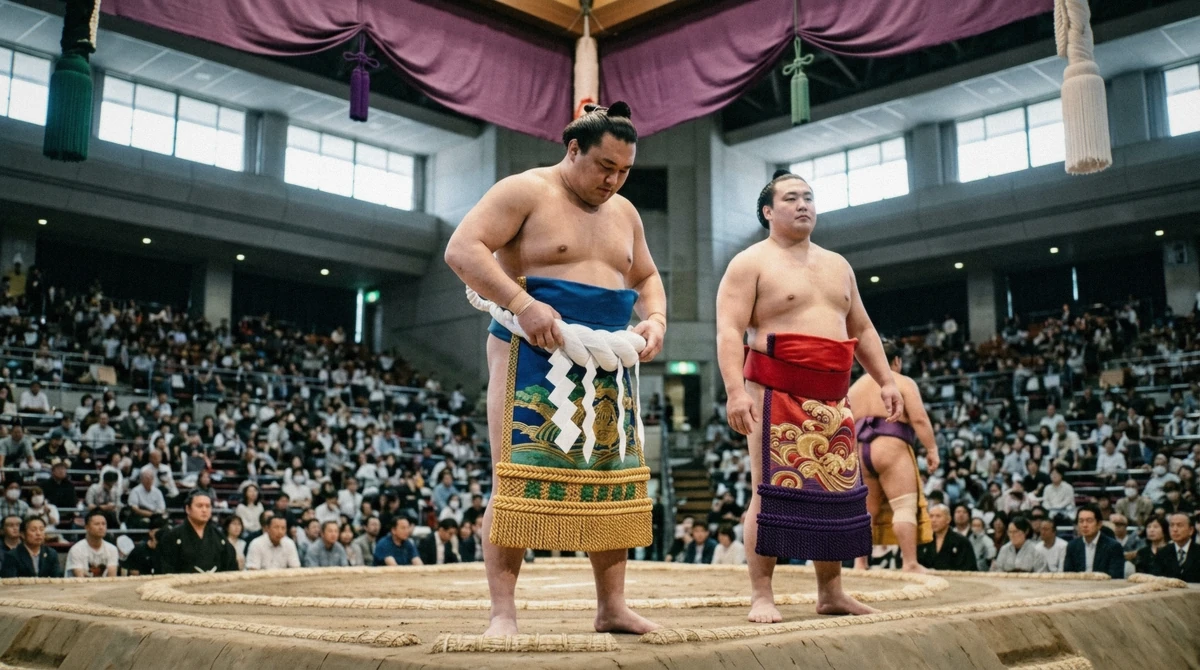
Tokyo hosts three of the six annual Grand Sumo tournaments, in January, May and September, at Ryogoku Kokugikan. Osaka hosts one, in March, at Edion Arena. Outside those months, Osaka's advantage is its compact, year-round show cluster in Namba, priced from $60, while Tokyo's advantage is Ryogoku itself, sumo's dedicated home district with its museum and working stables.
Key takeaways
- Six honbasho run every year, 15 days each: Tokyo in January, May and September; Osaka in March; Nagoya in July; Fukuoka in November
- If your trip lands in March, Osaka is the only city with a live tournament; the full ticket breakdown is in our March tournament guide
- If your trip lands in a Tokyo tournament month, Ryogoku Kokugikan is the venue and Ryogoku the district to base yourself in
- Outside every tournament month, Osaka's year-round shows and its stable morning practice tour fill the gap in a single walkable district
- Osaka's shows run $60 to $91; the real training experience, the stable morning practice, runs $113
- Want the sport explained before you watch a real bout? See our sumo rules guide first
The Six Grand Sumo Tournaments, City by City
Japan holds six honbasho, official Grand Sumo tournaments, every year, each running 15 days. Four cities split hosting duty, and only two of them host more than one.
| Month | City | Venue |
|---|---|---|
| January | Tokyo | Ryogoku Kokugikan |
| March | Osaka | Edion Arena |
| May | Tokyo | Ryogoku Kokugikan |
| July | Nagoya | Not covered here |
| September | Tokyo | Ryogoku Kokugikan |
| November | Fukuoka | Not covered here |
Tokyo hosts three tournaments a year, January, May and September, all at the same venue, Ryogoku Kokugikan. Osaka hosts one, in March, at Edion Arena. Nagoya takes July and Fukuoka takes November, rounding out the calendar.
If your travel dates happen to fall inside any of these windows, that tournament, not a tourist show, should anchor your sumo plans, since it is the only place in the country to see a genuinely competitive bout rather than a staged demonstration.
Why Tokyo Has More Chances
Notice the pattern: Tokyo hosts half the year's tournaments outright, which is the single biggest reason so many first-time visitors default to Tokyo when they ask where to see sumo in Japan. A trip of almost any length dropped into a random month in Tokyo has better odds of overlapping a tournament than the same trip in Osaka, Nagoya or Fukuoka, simply because three of the twelve months belong to Tokyo and only one belongs to each of the other three cities. That statistical edge is real, but it only matters if your dates are still flexible.
Once your flights are booked, the calendar above is the only thing that matters, not which city has more tournaments across the year as a whole.
Check the tournament calendar against your dates before picking a city on reputation alone.
Tokyo: Sumo's Home Turf
Tokyo's advantage is Ryogoku, the district built around the sport itself rather than a single venue. Ryogoku Kokugikan hosts three of the year's six tournaments, and the Sumo Museum sits inside the arena building, open to visitors even outside tournament days. The district is also home to many of the sport's working stables, several of which run morning-practice viewings similar in spirit to Osaka's own practice tour, and to chanko restaurants run by former wrestlers, since chanko nabe, the wrestlers' staple hot pot, is as much a Ryogoku tradition as the sport itself.
What Tokyo does not offer is Osaka's compactness. Ryogoku's stables, restaurants and the arena are spread across a genuine neighborhood, which rewards a visitor with time to wander it properly, but it is a different kind of trip than a single afternoon built around one cluster of blocks. If your itinerary already routes through Tokyo in a tournament month, January, May or September, building a day around Ryogoku is close to a formality; the harder call is what to do if your Tokyo dates miss all three windows, since the stable visits and shows there run on their own separate schedules outside this pack's scope.
Osaka: Compact and Available Year-Round
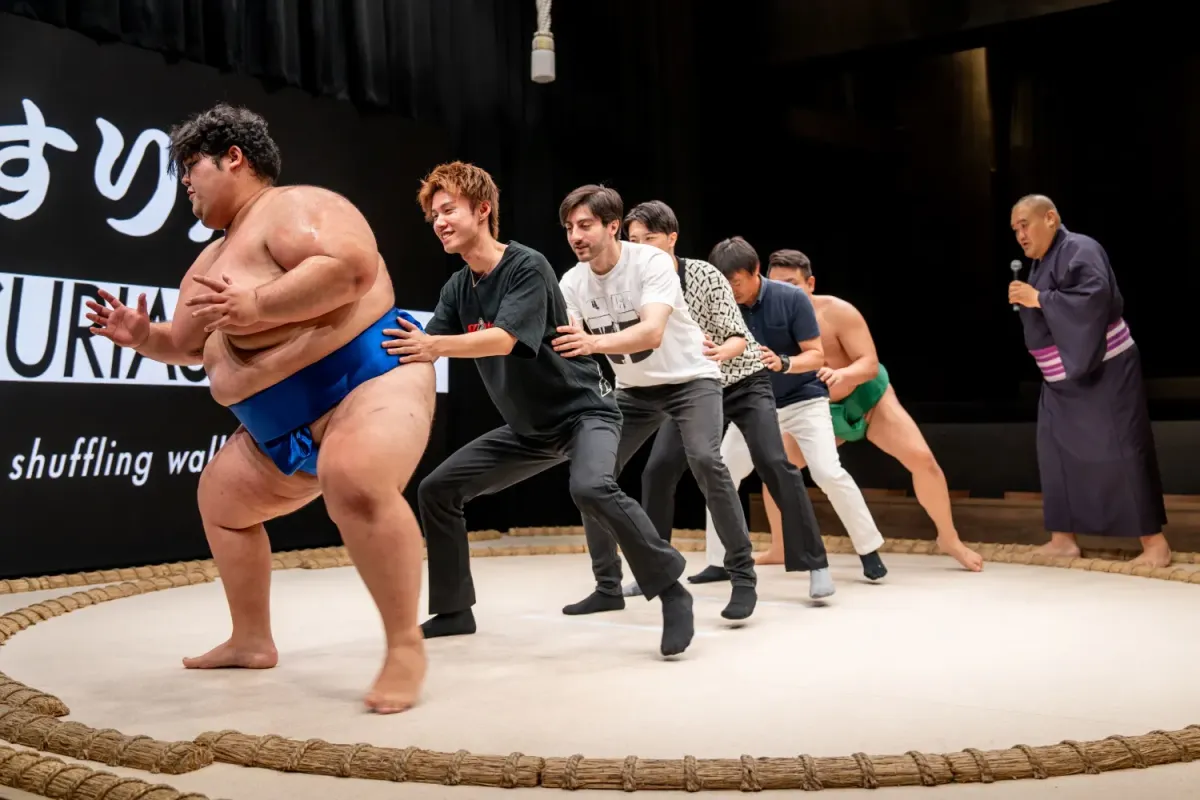
Osaka's case rests on two things Tokyo cannot match outside a tournament month: price and geography. The city's tourist sumo shows run $60 to $91 per person, performed by retired professional wrestlers with full English commentary, and every one of them clusters in or around Namba, the same district where the March tournament itself is held. For travelers who want to compare sumo shows in Osaka side by side before choosing one, that comparison lives on this site's homepage.
Beyond the shows, Osaka is also the only city in this comparison offering a dedicated, bookable stable morning practice, $113 for a small-group visit to real professional training, no performance, no MC. Between the $60 to $91 shows and the $113 practice tour, a visitor with zero tournament-month overlap still leaves Osaka having seen something genuine, not a consolation prize. The compactness matters as much as the price: shows, the March arena, and hotels all sit within the same walkable stretch of Namba, which is not true of Tokyo's more spread-out sumo geography.
How Much of a Trip Each City Actually Asks For
That compactness also changes how a trip actually gets planned. A visitor building a Tokyo itinerary around Ryogoku is committing a half-day or more to a single neighborhood, worthwhile if sumo itself is the draw, less so if it is one stop among many. A visitor slotting Osaka's shows into a Namba afternoon is making a much smaller commitment: the shows run multiple times daily, last around 1.5 hours, and sit inside a district most Osaka itineraries already pass through for shopping and food, so there is little planning cost to adding one on even a short layover in the city.
Quick Comparison
Set side by side, the two cities are not really competing for the same traveler.
| Osaka | Tokyo | |
|---|---|---|
| Tournaments per year | One, March | Three: January, May, September |
| Tournament venue | Edion Arena | Ryogoku Kokugikan |
| Year-round shows | $60 to $91, clustered in Namba | Available, spread across the city |
| Real training visit | Stable morning practice, $113 | Stable visits available in Ryogoku |
| Sumo museum | Not applicable | Sumo Museum, inside Kokugikan |
| Geography | Shows, arena and hotels cluster in Namba | Spread across the Ryogoku district |
Osaka vs Tokyo for Sumo
Osaka
- Only one tournament a year, but it is genuinely walkable from the year-round show cluster
- Shows run $60 to $91, cheaper on average than a Tokyo equivalent day out
- The stable morning practice tour is a bookable, honest alternative outside March
- Everything, shows, arena, hotels, sits inside a single Namba stretch
- No dedicated sumo museum
Tokyo
- Three tournaments a year, so a random Tokyo trip has better odds of overlapping one
- Ryogoku Kokugikan and the Sumo Museum sit in the same building
- The district itself is built around sumo, with many working stables and chanko restaurants
- Geography is more spread out than Osaka's Namba cluster
- Also runs tourist shows and stable-visit tours outside tournament months
Verdict Pick the city your itinerary already visits during a tournament month; the tournament itself is the whole point if the dates line up. Outside every tournament month, both cities still offer shows and stable visits, and Osaka's version is cheaper on average and sits inside one walkable district rather than a spread-out neighborhood, which makes it the easier half-day to plan around a trip that is not built specifically around sumo. A traveler chasing the deepest possible sumo culture, museum included, still leans Tokyo; a traveler who wants one solid, affordable sumo afternoon without reshaping the rest of the trip around it leans Osaka.
Which City Fits Your Itinerary
If Your trip lands in January, May or September
Base your sumo plans on Tokyo. Ryogoku Kokugikan is hosting a real tournament, and the Sumo Museum inside it is worth an extra hour.
If Your trip lands in March
Osaka has the tournament that month. See our March tournament guide for dates, seat prices and how to buy.
If Your trip misses every tournament month but includes Osaka
Book a year-round Osaka show, $60 to $91, or the stable morning practice tour for the real-training version.
If Your trip misses every tournament month but includes Tokyo instead
Look into Ryogoku's own stable-visit tours and tourist shows; the district functions as a sumo destination even without a tournament running.
If You are choosing between the two cities and neither is fixed yet
Let the calendar decide. A tournament month in either city beats a non-tournament trip to either one.
If You want the deepest sumo culture experience regardless of tournament dates
Lean Tokyo. Ryogoku's museum, stables and chanko restaurants add up to more sumo per day than a single show does.
There is no single better city for sumo, only a better month. Tokyo's three tournaments give a random trip better odds of landing on a real one, and Ryogoku rewards a visitor who wants to wander a neighborhood built entirely around the sport. Osaka's one tournament is worth planning a whole trip around if the March dates work, and outside that window its compact, walkable Namba cluster of shows and its stable morning practice tour make it the easier city to fit a genuine sumo afternoon into a broader trip.
Whichever city your dates favor, decide by the calendar first and the city second. And once you know which city, spend less time debating the choice itself and more time confirming the practical details, the venue, the ticket window, the nearest station, since those are what actually determine whether the day goes smoothly, not which city's name is on the itinerary.
Where can I see sumo in Japan?
At one of the six Grand Sumo tournaments, three in Tokyo (January, May, September), one in Osaka (March), one in Nagoya (July) and one in Fukuoka (November), or at year-round tourist shows and stable visits in Osaka's Namba district or Tokyo's Ryogoku district outside those months.
When are the sumo tournaments in Tokyo?
January, May and September, all at Ryogoku Kokugikan, each running 15 days.
What is Ryogoku known for?
Ryogoku is Tokyo's sumo district: home to Ryogoku Kokugikan (the tournament venue and the Sumo Museum), many of the sport's working stables, and chanko restaurants run by former wrestlers.
How many sumo tournaments are held each year?
Six, each running 15 days: three in Tokyo, one each in Osaka, Nagoya and Fukuoka.
Which city is better for sumo, Osaka or Tokyo?
Neither is universally better; it depends on your dates. If your trip overlaps a tournament month, that city wins by default. Outside tournament months, Osaka's shows and stable practice tour are cheaper on average and clustered in one walkable district.
Can I see sumo outside tournament months?
Yes, both cities run year-round tourist shows and stable-visit tours. Osaka's cluster of shows runs $60 to $91 in Namba, plus a $113 stable morning practice tour; Tokyo's equivalents are based around Ryogoku.